March 20, 2026
The roofing industry is experiencing a transformation driven by evolving consumer preferences and technological advancements. This article explores how these changes are influencing roofing supplies in new builds, impacting materials, design, sustainability, and cost-efficiency. The focus is on understanding the dynamic shifts that are shaping this sector, offering a rich tableau of considerations for stakeholders involved. As consumer awareness grows, the demand for innovative and efficient roofing solutions has seen a significant upsurge. In the following sections, we will examine these trends and their implications in greater detail.
1. The Shift Towards Sustainable Roofing Materials
Consumers are increasingly prioritizing sustainability, influencing their choices in roofing materials for new builds. This demand is causing a shift away from traditional, less environmentally-friendly materials to those that minimize carbon footprints. Builders are responding by offering a wider range of eco-friendly products, such as clay tile, metal roofing, and green roofs. This trend aligns with growing global awareness about the importance of preserving resources for future generations. As a result, the industry is experiencing a green revolution, with notable changes in material choices and availability.
Recycled materials are becoming popular as they offer both environmental benefits and cost savings. Products like recycled shingles, rubber roofs, and composite tiles provide durability and aesthetically pleasing options without depleting natural resources. The economic benefits are also significant, as these materials can often result in lower lifecycle costs and potential savings on utility bills. The use of recycled materials reduces waste and supports sustainability, which is appealing to environmentally conscious consumers. This trend is set to continue as technology improves and recycling processes become more efficient and widespread.
Solar roof tiles are revolutionizing the industry by combining functionality with eco-friendliness. They convert sunlight into energy, reducing reliance on fossil fuels and cutting energy costs. Despite higher upfront costs, they promise long-term savings, attracting forward-thinking homeowners. As technology advances, solar tiles are becoming more aesthetically pleasing and easier to install, further increasing their appeal. The shift towards solar solutions is part of a broader trend of integrating renewable energy with traditional building materials.
2. Technological Advancements in Roofing Supplies
The integration of smart technologies into roof design is an exciting development gaining momentum in the industry. Smart roofs equipped with sensors can monitor conditions and make adjustments to improve efficiency. Moreover, they can alert homeowners to potential issues before they become costly repairs. This innovative approach aligns with the growing trend of smart homes and IoT integration. By enhancing safety, durability, and energy efficiency, smart roofing technologies are increasing the value proposition for new builds.
Rapid advancements in materials science are leading to innovations in roofing supplies. These include the development of lighter, more durable materials that offer better protection against extreme weather conditions. For instance, new composite materials blend traditional materials with modern additions, resulting in roofs that are both strong and aesthetically pleasing. Additionally, according to experts from This Old House, new constructions are trending from asphalt shingles to metal roofing due to these innovations. As the technology evolves, builders can deliver higher-quality roofs that require less maintenance while offering longer lifespans.
Augmented Reality (AR) is transforming the way roofing projects are planned and executed. By overlaying virtual elements onto the real world, AR enables builders and homeowners to visualize roofing designs before implementation. This capability leads to better decision-making, reducing errors and improving client satisfaction. AR tools can also facilitate communication between stakeholders, ensuring that everyone is on the same page throughout the project. As a result, AR is becoming an indispensable tool in the planning stages of roofing projects.
3. The Influence of Aesthetic Preferences
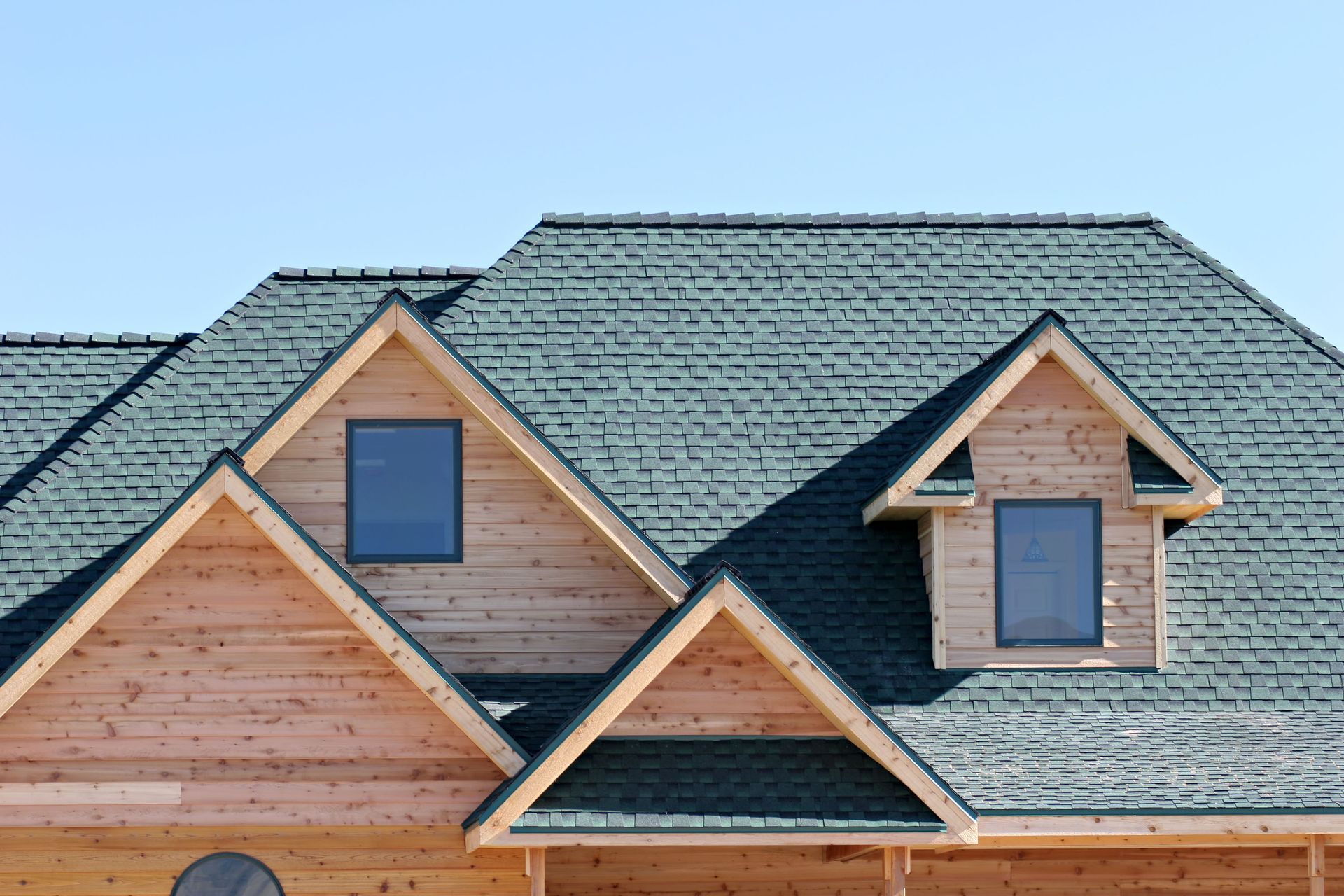
Aesthetic preferences are increasingly shaping roofing supplies, with customization becoming a key demand. Homeowners now have access to a variety of materials, colors, and styles to create roofs that reflect their unique style. Customizable roofing solutions allow for creative expression, while also meeting functional needs. As a result, builders are offering more options to meet these diverse demands. This shift towards customization is reflective of broader consumer trends that value personalized experiences.
Current trends in roofing encompass a wide range of colors and styles. Earthy tones and natural finishes are gaining popularity due to their aesthetic appeal and ability to blend with environmental surroundings. Additionally, bold colors and unique textures are being used to make architectural statements. These trends highlight the dual importance of aesthetics and functionality in roofing design. As styles evolve, roofing materials continue to adapt, offering fresh choices for new builds.
The balance between aesthetics and functionality is essential when choosing roofing materials. While an attractive roof can enhance curb appeal, it must also withstand environmental challenges and provide efficient insulation. Achieving this balance necessitates a careful selection of materials, taking into account factors such as durability and climate suitability. By prioritizing both form and function, builders can deliver roofs that satisfy aesthetic desires without compromising on performance. This synergy is crucial as homeowners increasingly seek comprehensive solutions in their new builds.
4. Economic Factors Affecting Roofing Supply Choices
Cost is a pivotal factor influencing material selection in roofing supplies. With the constant fluctuation in material prices, homeowners and builders weigh the upfront and long-term costs when making decisions. Affordable options like asphalt shingles remain popular, but materials such as metal and ceramic tiles are becoming competitive choices as their prices decrease. Economic conditions, resource availability, and technological advancements all play roles in shaping cost-effective material options. Ultimately, the challenge lies in balancing budget constraints with quality and durability needs.
Inflation significantly affects the roofing supply market, often leading to higher costs for materials and labor. As inflation increases, budget constraints become more pressing, influencing the choices made by contractors and homeowners. Builders may opt for less expensive alternatives, which can affect quality and longevity. The strain caused by inflation highlights the need for robust economic strategies and innovative solutions to maintain affordability without sacrificing performance. Monitoring these economic factors is essential to navigate the challenges of an inflation-impacted market.
Achieving an ideal balance between cost and quality is crucial for roofing supplies in new builds. While cost concerns may lead to choosing less expensive materials, quality cannot be compromised, as roofs are vital structural elements. With advancements in materials technology, there are opportunities to meet both cost and quality objectives effectively. Knowledgeable builders leverage these options to improve the value proposition for their clients. Proper understanding and application of cost-quality dynamics drive successful roofing projects that satisfy both budgetary and functional requirements.
5. Consumer Awareness and Education on Roofing Options
With the proliferation of digital information, consumers are more informed and empowered in their roofing choices. Online resources, articles, and reviews provide valuable insights into material options, installation processes, and cost considerations. As a result, homeowners are better equipped to make decisions that align with their preferences and budget. This access to information also creates competitive pressure on builders to offer innovative and efficient solutions. The digital revolution thus fosters a more informed consumer base, driving demand for quality and transparency in roofing supplies.
Educating homeowners on the lifespan and maintenance needs of different roofing materials is essential for informed choices. Knowledge about durability, maintenance requirements, and potential repair costs can significantly influence decisions. Homeowners who understand these factors are more likely to invest in materials that offer long-term benefits and savings. This education process also helps manage expectations, ensuring satisfaction with both functional and financial aspects. Industry stakeholders must prioritize disseminating this information to foster a well-informed clientele base.
As consumer preferences continue to evolve, the roofing industry is poised for significant changes. By embracing sustainability, leveraging technology, and adapting to new economic and aesthetic demands, the industry can successfully meet modern needs and set new standards for future builds. The integration of eco-friendly materials and smart technologies underscores the innovative direction of roofing supplies, fostering a more efficient and sustainable built environment. Professionals in the sector must navigate dynamic shifts diligently to harness opportunities and drive progress. As we look to the future, these transformations promise a more resilient, diverse, and exciting landscape for the roofing industry. For more information about the services that we offer, reach out to our incredible team at Northeast Aluminum & Vinyl Products today!